Surgical Services
Corrective Jaw Surgery in Cherry Log, GA
Restoring Balance, Function, and Comfort — corrective jaw surgery addresses underlying structural issues to improve function, relieve discomfort, and create better long-term balance.
When the upper and lower jaws don’t align properly, it can affect more than just your bite. Everyday things like chewing, speaking, and even breathing can become more difficult over time.
Corrective jaw surgery is designed to address these underlying structural issues—improving function, relieving discomfort, and creating better long-term balance.
Clinical Signs
When Jaw Alignment Becomes a Problem
Jaw misalignment can develop for a variety of reasons, including natural growth patterns, injury, or long-term bite issues. You may benefit from an evaluation if you experience the following.
"These issues often develop gradually, but over time they can affect both comfort and overall oral health."
Signs to watch for:
Difficulty chewing or biting food
Everyday meals become harder when the upper and lower teeth do not meet the way they should.
Jaw pain or chronic discomfort
Persistent aching or tension in the jaw that lingers or returns over time.
Clicking or popping in the jaw
Noticeable sounds or sensations when opening and closing the mouth.
Teeth that don’t come together properly
A bite that feels off, uneven, or misaligned despite previous dental treatment.
Speech challenges related to jaw position
Difficulty forming certain sounds or speaking comfortably due to jaw structure.
Breathing issues, including sleep-related concerns
Structural jaw differences that may contribute to breathing difficulties over time.
Orthognathic Care
What Corrective Jaw Surgery Does
Corrective jaw surgery (also called orthognathic surgery) repositions the upper jaw, lower jaw, or both to improve alignment.
The goal is not just structural correction—but making everyday function feel more natural.
Improve how your teeth come together
Reduce strain on the jaw joints
Make chewing and speaking easier
Support better long-term oral health
In some cases, improve facial balance
Coordinated Planning
A Collaborative Approach to Treatment
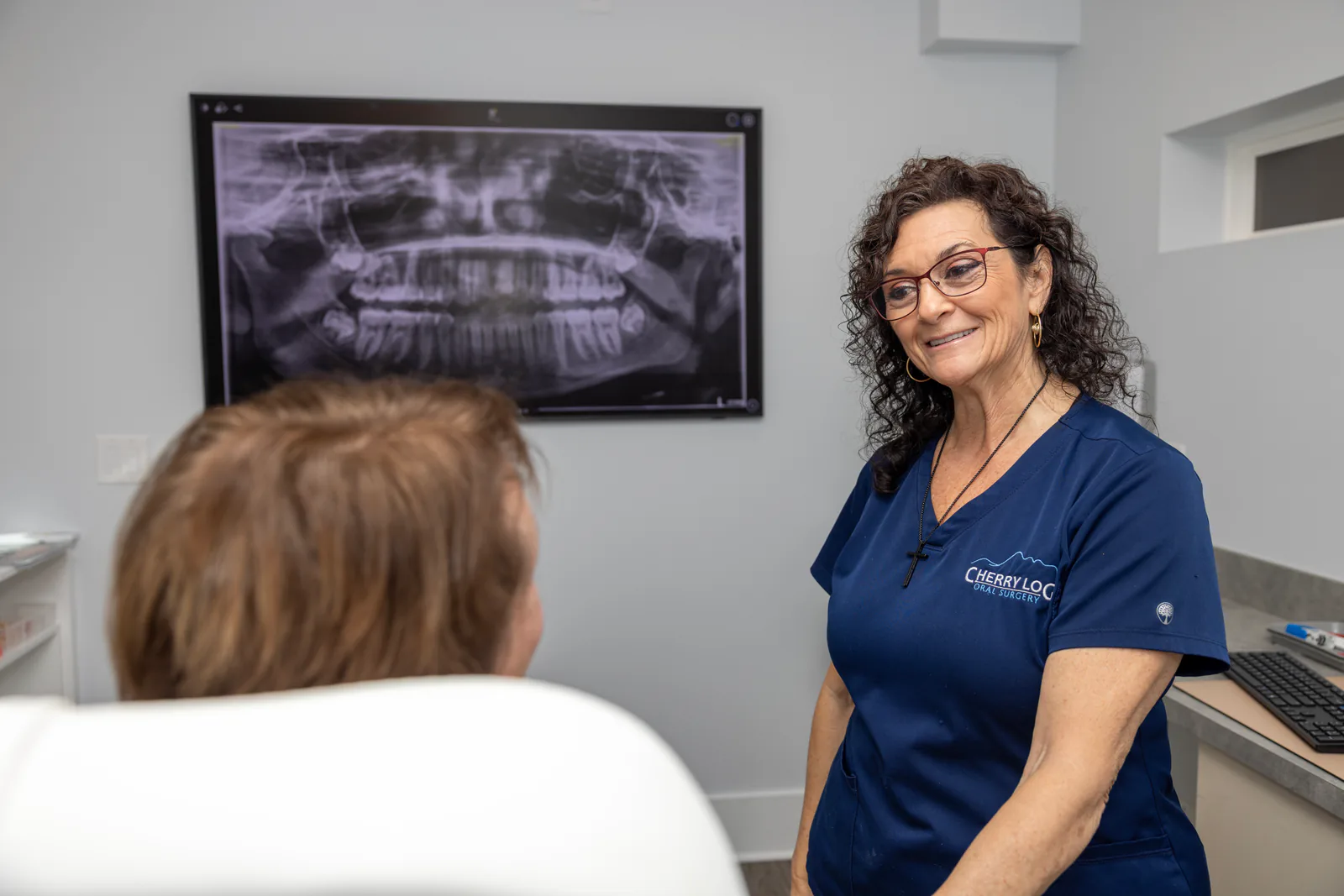
Jaw surgery is typically part of a larger, carefully coordinated plan. Many patients are referred by their orthodontist, and treatment often includes:
- Pre-surgical orthodontics (braces or aligners)
- Surgical correction of jaw position
- Post-surgical orthodontic refinement
At Cherry Log Oral Surgery, we work closely with your orthodontist and other providers to ensure every step is aligned and clearly planned.
Patient Journey
What to Expect from the Process
Corrective jaw surgery is more involved than other oral surgery procedures, but it follows a structured and well-planned process. You’ll receive detailed guidance to support recovery every step of the way.
Initial Evaluation
We begin with imaging, measurements, and a detailed discussion of your concerns and goals.
Treatment Planning
Your surgical plan is coordinated with your orthodontist to ensure proper alignment and timing.
Surgery
The procedure is performed in a controlled setting with appropriate anesthesia to ensure safety and comfort.
Recovery
Healing takes place over several weeks, with gradual improvement in function as the jaw adjusts to its new position.
Surgical Expertise
Experience You Can Trust
Corrective jaw surgery requires precision, planning, and experience.
Dr. John Pritchett is a board-certified oral and maxillofacial surgeon with advanced training in complex surgical procedures, including those involving the jaw and facial structures. His background includes extensive experience in both military and hospital-based environments.
Our Cherry Log office offers a quieter, more personal setting than a large surgical facility—something many patients value when preparing for a more involved procedure.
You can learn more about his credentials on the Dr. John Pritchett page.
A Foundation of Experience
- Board-Certified Surgeon: A board-certified oral and maxillofacial surgeon leading every procedure.
- Advanced Training: Experience with complex procedures involving the jaw and facial structures.
- Military & Hospital Background: Extensive experience in both military and hospital-based environments.
Healing Timeline
Recovery and Healing
Recovery from jaw surgery takes time, and it’s important to understand what to expect.
While the process requires patience, the long-term improvements in comfort and function are often significant.
Most patients can expect:
An initial recovery period of a few weeks
Early healing takes place over the first several weeks following surgery.
Gradual return to normal function
Chewing, speaking, and daily comfort improve steadily as the jaw settles into position.
Temporary dietary adjustments
Softer foods and modified eating habits support healing during the early phase.
Ongoing follow-up care to monitor healing
Regular check-ins help track your progress and guide each step of recovery.
Our Service Areas
Serving Cherry Log and the North Georgia Region
Cherry Log Oral Surgery provides corrective jaw surgery for patients throughout the North Georgia mountains, including Blue Ridge, Blairsville, Ellijay, Jasper, Hiawassee, Murphy, and Hayesville.
Blue Ridge
Learn MoreBlairsville
Learn MoreEllijay
Learn MoreJasper
Learn MoreHiawassee
Learn MoreMurphy
Learn MoreHayesville
Learn MoreMany patients are referred as part of a coordinated treatment plan, and we work closely with referring providers to ensure a smooth, well-organized experience.
You can learn more about the areas we serve on our Service Areas page.
Patient Resources
FAQs
Answers to common questions about corrective jaw surgery, recovery, and what to expect. Contact us if you’d like to learn more.
What is corrective jaw surgery?
Corrective jaw surgery is a procedure that repositions the upper and/or lower jaw to improve alignment, function, and comfort.
How do I know if I need jaw surgery?
If you have difficulty chewing, jaw pain, or alignment issues, an evaluation can determine whether surgery is recommended.
Is jaw surgery only for appearance?
No. While it can improve facial balance, the primary goal is to correct functional issues like bite alignment and jaw discomfort.
How long does recovery take?
Initial recovery typically takes a few weeks, with continued healing and adjustment over a longer period.
Will I need braces before or after surgery?
In many cases, orthodontic treatment is part of the overall plan to ensure proper alignment before and after surgery.
Get Started
Ready When You Are
Whether you’ve been referred or are exploring your options, our team is here to help you take the next step with clarity and confidence.